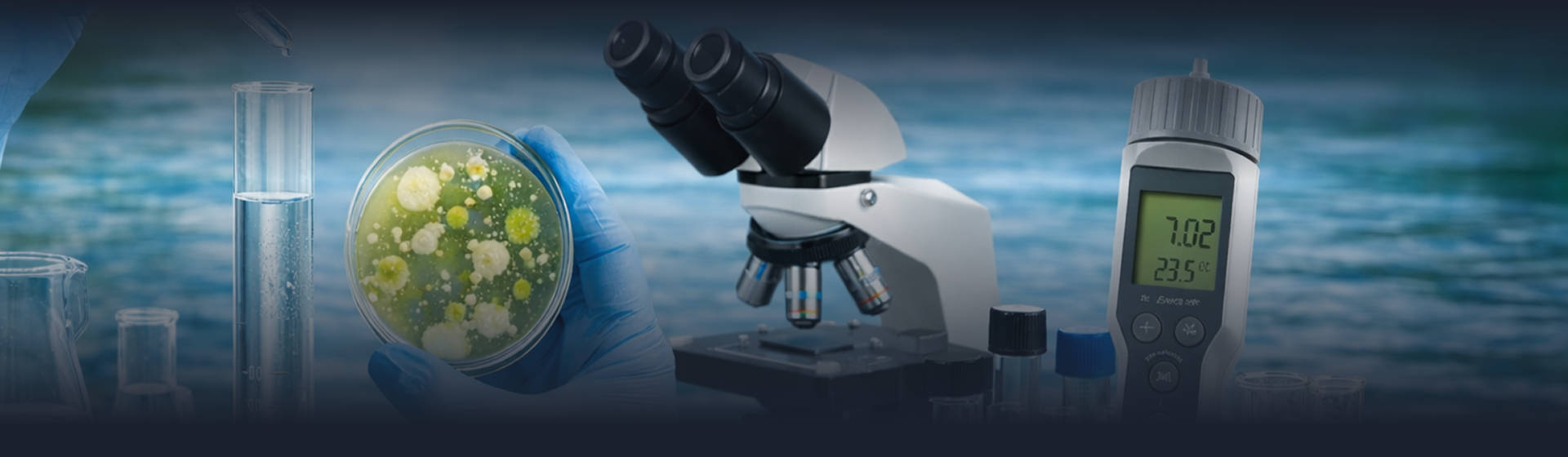

When Water Testing Becomes Necessary
There are a number of situations where knowing the quality of your water isn’t optional, it’s just the responsible thing to do.
- You’re buying or selling a property with a private well
- Your lender has required water quality testing before closing
- You’ve experienced flooding, a septic issue, or a nearby chemical spill
- You’re managing a commercial facility with a water system on-site
- You noticed a change in the color, taste, or smell of your water
What Water & Bacteria Testing Can Identify
- Total coliform and E. coli bacteria indicating fecal contamination
- Nitrates and nitrites from agricultural runoff or septic leaching
- Heavy metals, including lead, arsenic, and iron, from pipes or soil
- Volatile organic compounds from industrial or agricultural activity
- pH levels and mineral content that affect water safety and pipe condition
- Additional contaminants based on property location and known site history
Know Exactly What’s Coming Out of Your Tap
If it’s a private well, a commercial facility, or a property you’re about to purchase, water quality testing gives you the factual answer you need before any assumptions are made about what’s safe to drink.
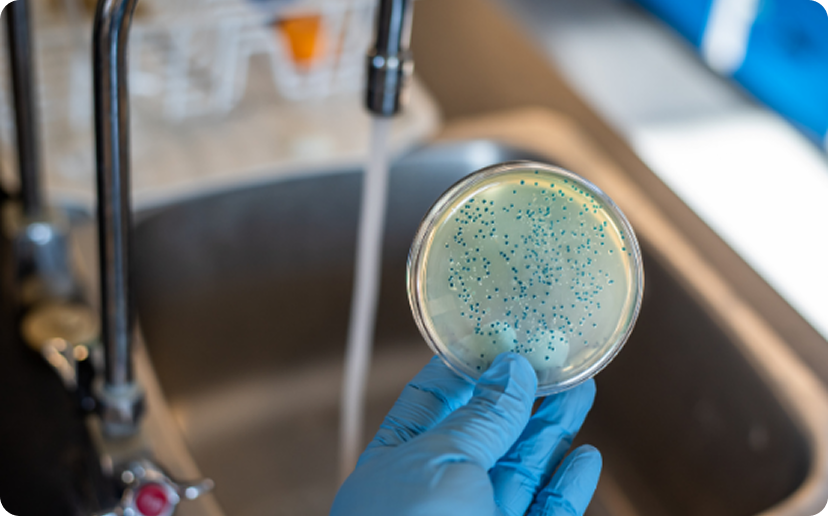
Clean-Looking Water Isn’t Always Safe Water
Water and bacteria testing involves collecting samples from your water source, a tap, well, or other supply point, and sending them to an accredited laboratory for analysis. The tests identify the presence and concentration of contaminants that you can’t detect with your eyes or nose, including coliform bacteria, E. coli, heavy metals, nitrates, and volatile organic compounds.
For private well owners especially, this kind of testing is the only reliable way to know whether your water supply is safe for drinking, cooking, and everyday household use.
HOW WE WORK
Our Process for Water & Bacteria Testing
1

We Start With a Conversation About Your Water Source
We find out what type of water supply you have, where it comes from, what you’ve noticed, and whether there are any known environmental concerns nearby. That context shapes what we test for and how we collect the samples.
2

On-Site Sample Collection
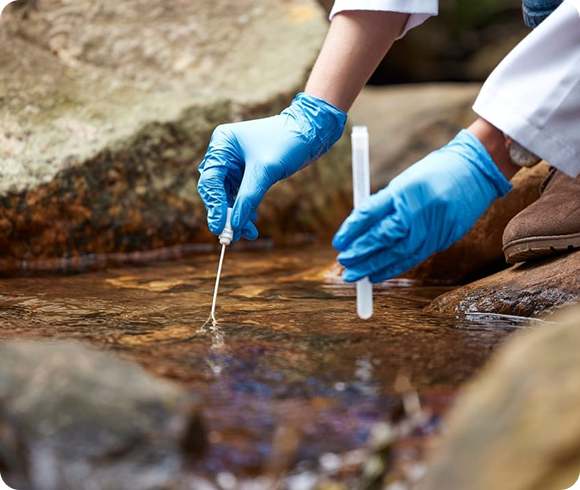
We collect water samples directly from your supply point using sterile collection containers and proper handling protocols. Getting this step right matters; contaminated collection equipment or improper technique can produce false results, so we don’t cut corners here.
3

Accredited Lab Analysis
Samples are sent to an accredited laboratory for analysis against EPA and TCEQ drinking water standards. Depending on the scope of testing, results typically come back within three to five business days and cover every contaminant in the agreed testing panel.
4

Clear Results & Practical Guidance
You receive a written report that presents your results alongside the applicable safe drinking water standards so you can see clearly where things stand. If anything comes back above acceptable levels, we will explain what it means and what your options are for addressing it.
 ALL SIDES ENVIRONMENTAL
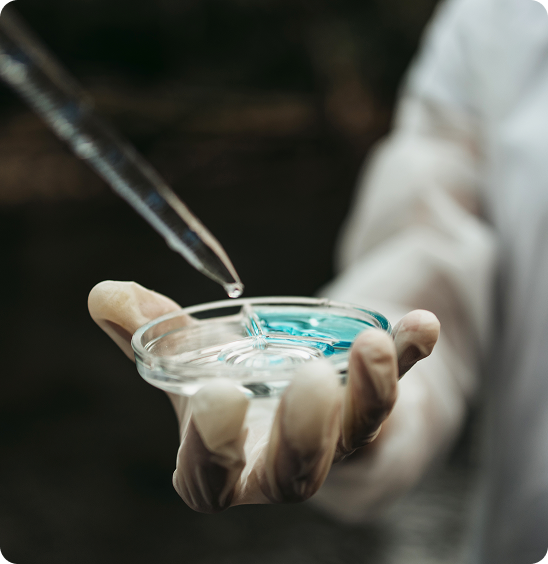
In Texas, Well Water and Groundwater Deserve a Closer Look
Texas has a significant number of properties that rely on private wells, and unlike municipal water supplies, private wells aren’t routinely monitored or regulated. That means contaminants from nearby agricultural activity, septic systems, aging infrastructure, or industrial land use can enter a water supply without any visible warning.
Even properties on municipal water can experience quality issues at the point of use, from aging pipes, local distribution problems, or changes in the source water treatment. Testing gives you a factual baseline so you’re not making assumptions about something as fundamental as your drinking water.
OUR RECENT WORKS
Showcasing Our Latest
Environmental Successes
FAQ’S
How often should I test my well water?
The EPA recommends testing private well water at least once a year for bacteria, nitrates, and any contaminants of concern based on local land use. If you’ve had flooding, a nearby spill, or changes in water quality, test sooner rather than later.
Does my lender require water testing before closing?
Many mortgage lenders require water quality testing for properties with private wells before financing is approved. If your lender has flagged this, we can provide the certified testing results and documentation they need to satisfy that requirement.
What's the difference between bacteria testing and a full water quality test?
Bacteria testing specifically checks for the presence of coliform bacteria and E. coli, indicators of fecal contamination in the water supply. A full water quality test is broader and can include heavy metals, nitrates, VOCs, pH, and other parameters, depending on the location and potential contamination sources.
Is tap water from a municipal supply safe without testing?
Municipal water is regularly treated and tested by water utilities, but that doesn’t mean what comes out of your tap is always within safe limits. Aging pipes, local distribution issues, and changes in source water treatment can all affect quality at the point of use. Testing is the only way to know for certain.
How long does water testing take?
Sample collection is typically quick, often less than an hour. Lab turnaround for most standard panels is three to five business days. We will walk you through the results as soon as they’re in and explain what they mean in plain terms.
OUR TESTIMONIALS
Honest Words from Clients Who’ve
Worked with Us

– Juan P. Domínguez
Customer
A tenant complained of headaches and a strange smell that no one else noticed. All Sides Environmental’s IAQ testing pinpointed elevated VOCs from new flooring adhesive, not mold or other previously considered issues. We fixed it fast, and the tenant stayed. Their expertise saved the relationship.

– Lewis Okser
Customer
Our Phase I flagged a recognized environmental condition on a Houston-area tract. All Sides Environmental decoded complex Phase II findings into plain language, explaining exactly what contamination levels meant for our plans. This clarity helped us confidently decide whether to proceed, that’s rare expertise in this field.
– Lena Brewster
Customer
Renovating a late-70s facility wing, our contractor required asbestos clearance. Dean’s team sampled floor tiles, ceiling material, and pipe insulation on short notice, delivering a report in four days, and flagged an area we’d overlooked. Their thoroughness saved us from a costly mid-renovation surprise.
– Joanna Prentice
Customer
Two companies gave us a clean bill of health, but something felt off. The All Sides team dug deeper and inspected longer. They used tools that looked inside the walls near our HVAC closet and found a hidden mold colony. All Sides oversaw remediation end-to-end, and we tested clean and received our clearance certificate within a week.
– Randy Cabrera
Customer
Three weeks from closing on a Katy strip mall, our lender suddenly required a Phase I ESA. All Sides scheduled us in two days, was on-site by Thursday, and delivered the report before our deadline. The lender accepted it without question, and I’ve since referred them twice.