
Remediation Is Usually the Next Step When
- Phase II ESA confirmed contamination above regulatory thresholds
- TCEQ or EPA has issued a compliance or cleanup notice
- A property is being redeveloped, and cleanup is required
- A lender or buyer requires remediation before closing
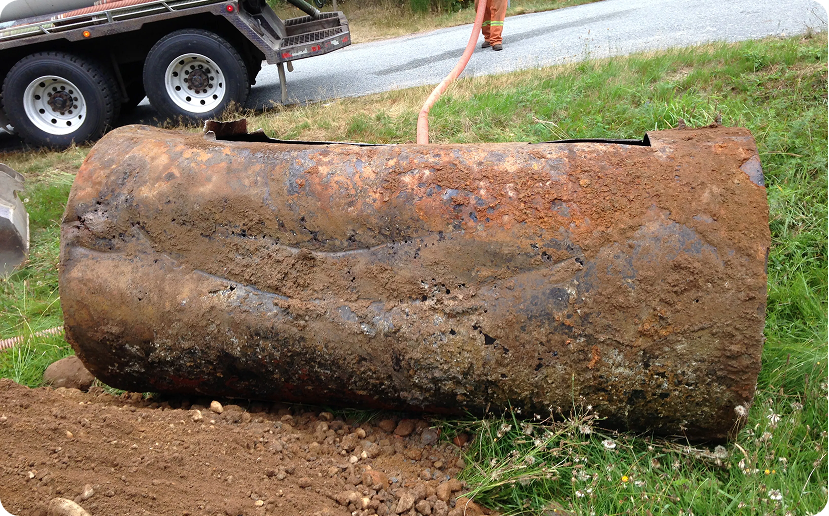
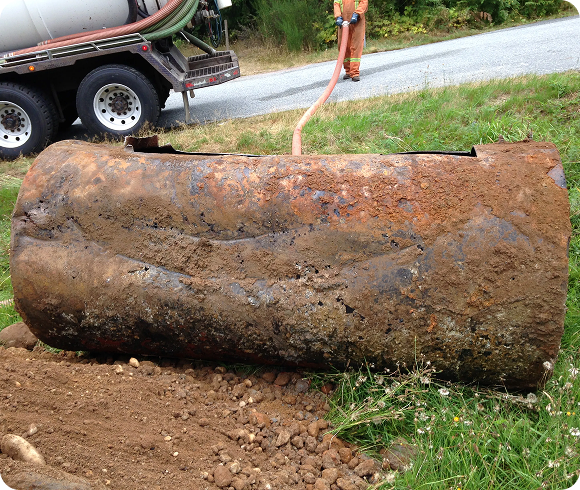
- An underground storage tank has leaked into the surrounding soil
What Environmental Remediation Actually Covers
- Developing a site-specific remedial action plan
- Coordinating with TCEQ and EPA for regulatory approval
- Excavation and off-site disposal of contaminated soil
- Groundwater treatment and monitoring systems
- Post-remediation sampling to confirm cleanup targets are met
- Final regulatory closure documentation and reporting
Get Full Clearance for Confirmed Contamination
When contamination is confirmed and cleanup is required, All Sides Environmental manages the full remediation process, from planning through to regulatory closure and final documentation.
Contamination Was Found, Here’s What Happens Next
Environmental remediation, sometimes called a Phase III ESA, is the process of cleaning up a contaminated site and restoring it to a condition that meets regulatory standards. That could mean removing impacted soil, treating groundwater, or addressing hazardous materials left behind by prior site uses.
The goal is regulatory closure, a documented confirmation from the appropriate agency that the site has been adequately addressed and is safe for its intended use.
HOW WE WORK
Our Process for Environmental Remediation
1

Remedial Action Planning
We review Phase II findings and develop a site-specific remedial action plan that targets the confirmed contamination, meets TCEQ requirements, and is practical for your project timeline and budget.
2

Regulatory Coordination
Before any cleanup begins, we coordinate with the appropriate regulatory agency, TCEQ, EPA, or both, to get the remedial plan approved and ensure all work will count toward regulatory closure.
3

Cleanup & Remediation Work
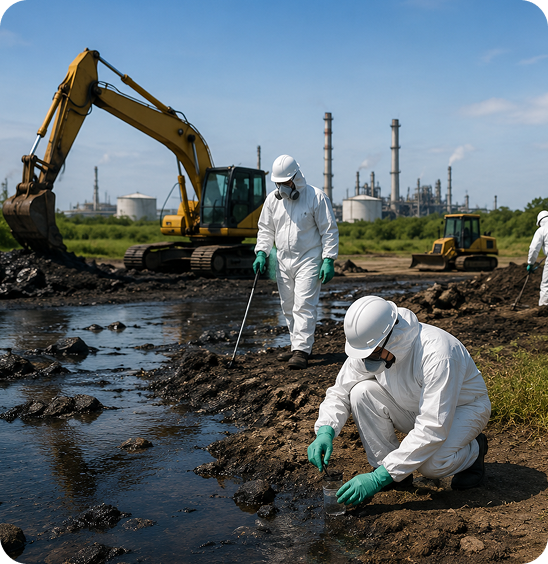
We manage and oversee the physical remediation work, whether that’s soil excavation, groundwater treatment, or hazardous material removal, documenting everything as work progresses to maintain a clean chain of compliance.
4

Confirmation Sampling & Closure
Once remediation is complete, we conduct post-cleanup sampling to confirm contamination levels meet the agreed regulatory targets, then prepare the final closure documentation your lender, attorney, or agency requires.
 ALL SIDES ENVIRONMENTAL
OUR RECENT WORKS
Showcasing Our Latest
Environmental Successes
Regulatory Closure Isn’t Just a Formality, It Protects Your Property’s Future
Without proper closure documentation, a contaminated property can’t be sold, financed, or developed. Worse, the liability follows the land, meaning future owners can inherit cleanup obligations they never knew existed. Getting remediation done right, with full regulatory closure, protects the property’s value and your legal standing for years to come.
FAQ’S
How long does environmental remediation take?
It depends heavily on the type and extent of contamination. Some projects close out in weeks; others involving groundwater contamination can take months or longer. We will give you a realistic timeline estimate after reviewing your Phase II data.
Do I need TCEQ approval before starting cleanup?
In most cases, yes. Cleanup work that affects regulated contaminants typically requires a TCEQ-approved remedial action plan before fieldwork begins. We handle all regulatory coordination so you’re not navigating that process alone.
What does "regulatory closure" actually mean?
Regulatory closure means the responsible agency, usually TCEQ, has reviewed the cleanup results and officially confirmed that the site meets acceptable risk levels for its intended use. It’s the document that clears the property for sale, financing, or development.
Can a property still be used during remediation?
In many cases, yes, depending on the type of contamination and the remediation method being used. Our team will assess your specific situation and let you know what access restrictions, if any, apply during the cleanup process.
What's the difference between Phase II and Phase III?
A Phase II confirms whether contamination exists and at what levels. A Phase III is what happens when contamination is confirmed and needs to be cleaned up to reach regulatory closure. One identifies the problem; the other fixes it.
OUR TESTIMONIALS
Honest Words from Clients Who’ve
Worked with Us

– Juan P. Domínguez
Customer
A tenant complained of headaches and a strange smell that no one else noticed. All Sides Environmental’s IAQ testing pinpointed elevated VOCs from new flooring adhesive, not mold or other previously considered issues. We fixed it fast, and the tenant stayed. Their expertise saved the relationship.

– Lewis Okser
Customer
Our Phase I flagged a recognized environmental condition on a Houston-area tract. All Sides Environmental decoded complex Phase II findings into plain language, explaining exactly what contamination levels meant for our plans. This clarity helped us confidently decide whether to proceed, that’s rare expertise in this field.
– Lena Brewster
Customer
Renovating a late-70s facility wing, our contractor required asbestos clearance. Dean’s team sampled floor tiles, ceiling material, and pipe insulation on short notice, delivering a report in four days, and flagged an area we’d overlooked. Their thoroughness saved us from a costly mid-renovation surprise.
– Joanna Prentice
Customer
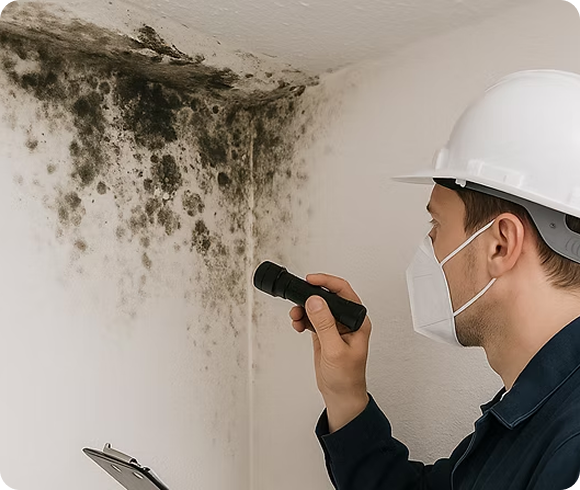
Two companies gave us a clean bill of health, but something felt off. The All Sides team dug deeper and inspected longer. They used tools that looked inside the walls near our HVAC closet and found a hidden mold colony. All Sides oversaw remediation end-to-end, and we tested clean and received our clearance certificate within a week.
– Randy Cabrera
Customer
Three weeks from closing on a Katy strip mall, our lender suddenly required a Phase I ESA. All Sides scheduled us in two days, was on-site by Thursday, and delivered the report before our deadline. The lender accepted it without question, and I’ve since referred them twice.