

When IAQ Testing Becomes Necessary
- Building occupants report unexplained headaches, fatigue, or respiratory issues
- A new flooring, painting, or renovation project was recently completed
- You’ve had water intrusion or HVAC problems in the past
- A home inspection or a physician has recommended air quality testing
- You’re managing a commercial property or multi-unit residential building
What an Indoor Air Quality Test Can Identify
- Mold spores, types, concentrations, and source areas
- Volatile organic compounds from building materials or furnishings
- Carbon monoxide and combustion gases from heating equipment
- Radon gas is infiltrating from the soil beneath the structure
- Particulate matter, dust, and other airborne irritants
- Humidity and moisture levels that support contaminant growth
What You Can’t See Can Still Affect You
Poor indoor air quality is one of the most underdiagnosed environmental concerns in homes and commercial buildings. We identify the problem with precision and give you a clear path to resolution.
The Air Inside Your Building Might Not Be as Clean as It Looks
Indoor air quality testing measures the presence and concentration of airborne contaminants inside a building, including mold spores, volatile organic compounds, carbon monoxide, radon, and other pollutants. Poor IAQ can cause headaches, fatigue, respiratory issues, and long-term health effects, often without any obvious visible cause.
IAQ testing identifies what’s actually in the air, where it’s coming from, and what needs to change to bring the indoor environment back to a safe and healthy standard.
HOW WE WORK
How We Test Indoor Air Quality
1

Understanding Your Concerns First
We start by learning about the symptoms, building history, and any recent changes, such as a new renovation, water damage, or HVAC work. That context helps us design testing that actually targets the likely source of the problem.
2

On-Site Air Sampling & Measurements
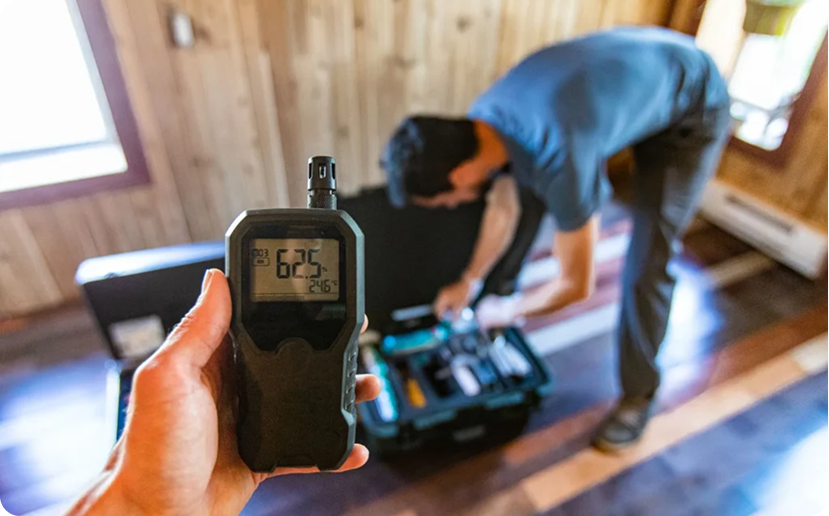
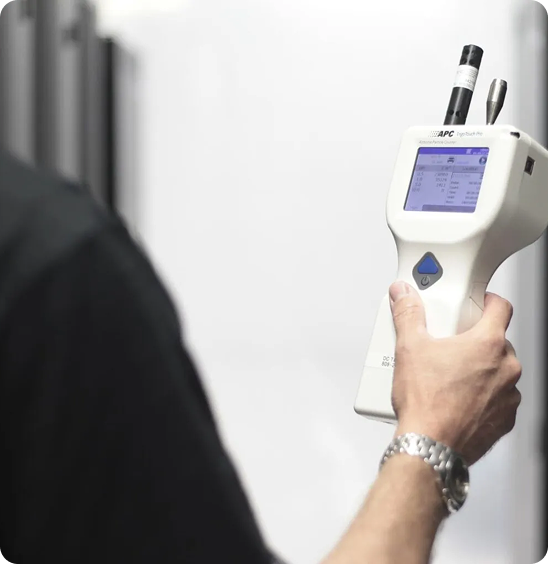
We collect air samples from the areas of concern using calibrated sampling equipment. We also take temperature, humidity, and carbon monoxide readings, and perform a visual walkthrough for any contributing physical factors.
3

Accredited Lab Analysis
Air samples are analyzed at an accredited laboratory. Depending on what we’re testing for, results identify specific compounds, mold species, concentration levels, and how those compare to established health and safety thresholds.
4

Results, Explanation, & Recommendations
We deliver a clear report explaining what was found, what it means for the people inside the building, and what remediation or corrective action, if any, is needed to resolve it.
 ALL SIDES ENVIRONMENTAL
People Spend Most of Their Time Indoors, the Air Quality There Matters
Studies consistently show that indoor air can be significantly more polluted than outdoor air, and in a Texas climate where buildings are sealed against heat for much of the year, contaminants have little opportunity to escape.
A Phase I ESA is also the documentation buyers use to support EPA’s All Appropriate Inquiries (AAI) requirement, an important step for qualifying for certain CERCLA landowner liability protections, as long as required steps are taken before acquisition and ongoing obligations are met.
For property managers, employers, and homeowners, knowing what’s in your indoor air isn’t just a health issue, it’s a liability issue worth taking seriously.
OUR RECENT WORKS
Showcasing Our Latest
Environmental Successes


FAQ’S
How do I know if I have an indoor air quality problem?
Common signs include unexplained odors, persistent headaches or fatigue among occupants, respiratory symptoms that improve when you leave the building, or recent water damage and renovation work. If something feels consistently off inside your space, an IAQ test will give you a factual answer.
What's the difference between IAQ testing and mold testing?
Mold testing specifically looks for mold spores in the air or on surfaces. IAQ testing is broader. It can include mold, but also covers VOCs, carbon monoxide, radon, particulates, and other contaminants. We’ll recommend the right scope based on what you’re experiencing.
How long does IAQ testing take?
On-site sampling for a typical residential or commercial space takes 2–4 hours. Lab turnaround is usually 3–5 business days, after which we’ll deliver your report and walk through the findings with you directly.
Can new buildings have indoor air quality problems?
Yes, in fact, new construction and recent renovations are common sources of IAQ issues. Adhesives, paints, flooring materials, and new furnishings all off-gas compounds that can accumulate in a tightly sealed building. New doesn’t always mean clean air.
Do you test commercial properties as well as homes?
Yes. We test both residential and commercial properties, including offices, warehouses, multi-family buildings, schools, and retail spaces. Commercial IAQ issues often affect a large number of people, so getting an accurate read on air quality matters even more in those settings.
OUR TESTIMONIALS
Honest Words from Clients Who’ve
Worked with Us

– Juan P. Domínguez
Customer
A tenant complained of headaches and a strange smell that no one else noticed. All Sides Environmental’s IAQ testing pinpointed elevated VOCs from new flooring adhesive, not mold or other previously considered issues. We fixed it fast, and the tenant stayed. Their expertise saved the relationship.

– Lewis Okser
Customer
Our Phase I flagged a recognized environmental condition on a Houston-area tract. All Sides Environmental decoded complex Phase II findings into plain language, explaining exactly what contamination levels meant for our plans. This clarity helped us confidently decide whether to proceed, that’s rare expertise in this field.
– Lena Brewster
Customer
Renovating a late-70s facility wing, our contractor required asbestos clearance. Dean’s team sampled floor tiles, ceiling material, and pipe insulation on short notice, delivering a report in four days, and flagged an area we’d overlooked. Their thoroughness saved us from a costly mid-renovation surprise.
– Joanna Prentice
Customer
Two companies gave us a clean bill of health, but something felt off. The All Sides team dug deeper and inspected longer. They used tools that looked inside the walls near our HVAC closet and found a hidden mold colony. All Sides oversaw remediation end-to-end, and we tested clean and received our clearance certificate within a week.
– Randy Cabrera
Customer
Three weeks from closing on a Katy strip mall, our lender suddenly required a Phase I ESA. All Sides scheduled us in two days, was on-site by Thursday, and delivered the report before our deadline. The lender accepted it without question, and I’ve since referred them twice.
