Solutions From Every Angle 

Development Moves Faster When
You Know What’s on the Land

the Land Land development projects in Texas face a layered set of environmental requirements and discovering a wetland, contaminated soil, or protected species habitat after planning has begun can cost a developer months and significant money.
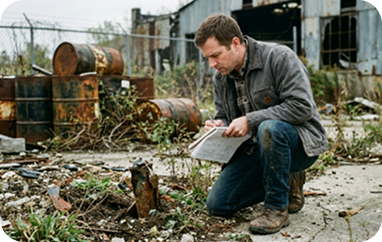
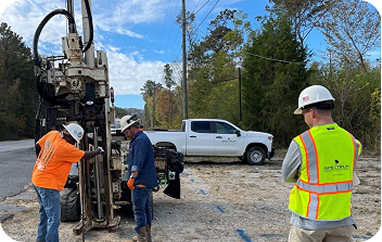
All Sides Environmental gets ahead of those issues before they become project-stopping problems. We conduct Phase I and Phase II ESAs, wetland delineations, ecological assessments, and threatened species surveys that give developers a clear, factual picture of what their site involves before any commitments are made to timelines, budgets, or regulatory agencies. The earlier we’re involved, the smoother your path to groundbreaking.

20
+Years
Project Leadership Experience
100
%
Regulatory Compliant Reports
OUR SERVICES

Our Core Services for
Land Development

ALL SIDES ENVIRONMENTAL 

PERMITTING CLARITY

What You Find Before Breaking
Ground Changes Everything

A development site that looks clean on paper can carry significant environmental complexity beneath the surface. The developers who move fastest are the ones who know their site completely before the first stakeholder meeting

01

Identify Wetlands & Ecological Constraints Early

Wetland delineations and ecological assessments establish exactly where regulatory boundaries sit on your site, before they show up as a permit denial.

02

Protect Timeline from Environmental Surprises

Discovering contamination or protected habitat mid-project stalls everything. Early ESA and ecological work resolves those issues before they touch your schedule.

03

Handle USACE and TCEQ Permitting

All Sides has decades of experience consulting with and coordinating with Texas Regulators. We handle Army Corps and TCEQ coordination directly, so your permits move forward without unnecessary delays or agency back-and-forth consuming your timeline.

WHY CHOOSE US

Why Texas
Developers
Choose All Sides

Environmental work can feel like a black box when deadlines are tight. We walk you through the scope, keep you updated, and explain what the findings mean for your purchase, refinance, or renovation. You’ll know what we saw, what we tested, and what the next practical options are so you can brief partners and maintain momentum.

EXPLORE MORE

One Point
Contact

You’ll work with the same consultant from kickoff through delivery, with quick callbacks when underwriting or clients have questions.

Reports People
Actually Read

We organize findings so the key points show up fast, then include the details your lender, attorney, or insurer may request.

Scope Built Around
Your Decision

Every site is different, so we tailor the approach to the property history and your timeline, then explain why each step matters.

Texas Scheduling
You Can Trust

Based in Cypress, Houston, we can move quickly for site visits and keep statewide projects organized with steady updates.

A Track Record of Projects Delivered
on Time & Well Documented

Planning a Land Development in Texas?
Let’s Talk About That Land First.

We’ve supported development projects across Texas from the earliest site evaluation
through regulatory closure. Tell us about your site, and we’ll walk you through what the environmental picture looks like.

REQUEST A QUOTE281.785.3024
Client Reviews

Honest Words from Clients Who’ve Worked with Us

At what stage of a development project should we bring in an environmental consultant?

The earlier the better, ideally before you’ve made any firm commitments on the site. Knowing the environmental picture during the acquisition or pre-planning phase gives you the most flexibility to adjust your project design, negotiate the land price, or walk away if conditions are deal breaking.

How does a wetland delineation affect our development plans?

A wetland delineation establishes the exact boundaries of any wetlands on your site. If wetlands are present, they may affect what can be built and where. And, any project that fills or impacts jurisdictional wetlands can require a Section 404 permit from the Army Corps of Engineers. Knowing the boundaries early lets you design around them intelligently rather than collide with them mid-project.

What is a Section 404 permit, and how long does it take to get one?

A Section 404 permit is required when a project involves placing fill material into waters of the United States, including wetlands. Individual permit timelines vary widely, from several months to over a year in complex cases. Nationwide permits for smaller impacts can move faster. We’ll tell you which pathway applies to your site and manage the coordination from start to finish.

What happens if a threatened or endangered species is found on our development site?

It triggers consultation with the U.S. Fish and Wildlife Service, which doesn’t automatically stop your project, but it does require a formal biological assessment and potentially a mitigation plan. The key is identifying this early so it can be incorporated into project design rather than handled as an emergency once construction is already underway.

Can you handle both the environmental due diligence and the ecological permitting?

Yes, that’s one of the most practical aspects of working with All Sides Environmental. Having a single consultant manage Phase I ESAs, wetland delineations, species surveys, and regulatory coordination keeps the project documentation consistent and the communication streamlined across every stage of the development process.

Frequently Asked Questions

Get Your Land Development Environmental Questions Answered

Contact Form

CONTACT US